
What Is a Digital Food Safety Compliance System and Why Is It Important?
A digital food safety compliance system is a technology platform that automates and centralizes food safety management processes, replacing manual documentation with real-time data collection, monitoring, and reporting capabilities. These systems digitize critical tasks like temperature logging, sanitation checks, and HACCP protocols to maintain consistent food safety standards across all operational touchpoints.
The importance of implementing a digital food safety compliance system stems from its ability to eliminate variability in how teams execute safety procedures. When multiple locations or shifts follow the same protocols through a unified platform, organizations achieve standardization that protects consumer health and brand integrity. The system ensures every team member—from kitchen staff to quality managers—operates from the same playbook with instant access to current SOPs and compliance requirements.
Traditional paper-based methods create significant obstacles to maintaining consistency:
- Human error in manual data entry leads to inaccurate records
- Lost or damaged paper logs compromise audit trails
- Delayed visibility prevents managers from identifying issues until it’s too late
- Inconsistent execution occurs when different teams interpret procedures differently
- Time-intensive manual processes divert staff from value-added activities
Paper systems cannot provide the real-time oversight needed for effective food safety management in today’s fast-paced food industry environment.

How Digital Food Safety Compliance Systems Ensure Consistent Standards
Digital food safety compliance systems maintain uniform standards through real-time data collection that captures critical information at the exact moment activities occur. This immediate documentation eliminates the lag time inherent in manual recording, where staff might complete tasks hours before logging them, creating gaps in accuracy and accountability.
Key Features of Digital Food Safety Compliance Systems
- Automated reporting: Transforms raw data into actionable insights without manual intervention.
- Customizable checklists: Serves as the backbone of standardized operating procedures across multiple locations.
- Temperature monitoring sensors: Provides continuous surveillance of critical control points.
- Centralized dashboards: Gives managers real-time visibility across all locations simultaneously.
These features work together to ensure consistent standards in food safety compliance.
How Do Digital Food Safety Compliance Systems Help with Regulatory Compliance?
Digital food safety compliance systems make it easier to understand and follow complex regulations. These platforms take detailed standards like ISO 22000 compliance and turn them into simple checklists and automated processes that guide employees through each requirement step by step. Instead of trying to understand long regulatory documents, teams can use pre-set digital templates that directly correspond to specific regulatory clauses.
No More Gaps in Documentation
With automated documentation, there are no more gaps in record-keeping that often happen with manual methods. Every time a temperature is checked, a cleaning task is done, or a corrective action is taken, records are created automatically with timestamps and stored securely in a central database. This creates a clear trail of evidence showing regulatory compliance without the need for staff to gather physical paperwork.
Always Ready for an Audit
The systems ensure that all compliance records are organized and easy to find in preparation for an audit. When inspectors come, managers can quickly generate detailed reports for any specific period, location, or area of compliance. Digital signatures, photo evidence, and sensor data provide verification that goes beyond what paper records can offer.
Accurate Documentation Made Easy
The systems make sure that accurate documentation is the norm rather than something we hope for. They prevent incomplete entries by requiring certain fields to be filled out and validating the information provided. Staff cannot mark tasks as complete without including all necessary details, ensuring every record meets regulatory standards. Automatic backups and cloud storage protect these important documents from being lost or damaged, maintaining the integrity of the documentation that regulatory authorities require during inspections.
How Do These Systems Improve Operational Efficiency and Risk Management?
Digital food safety compliance systems transform operational efficiency through real-time visibility into every aspect of food safety management. Managers access live dashboards displaying current conditions, task completion rates, and compliance status across all locations simultaneously, enabling immediate intervention when issues arise.
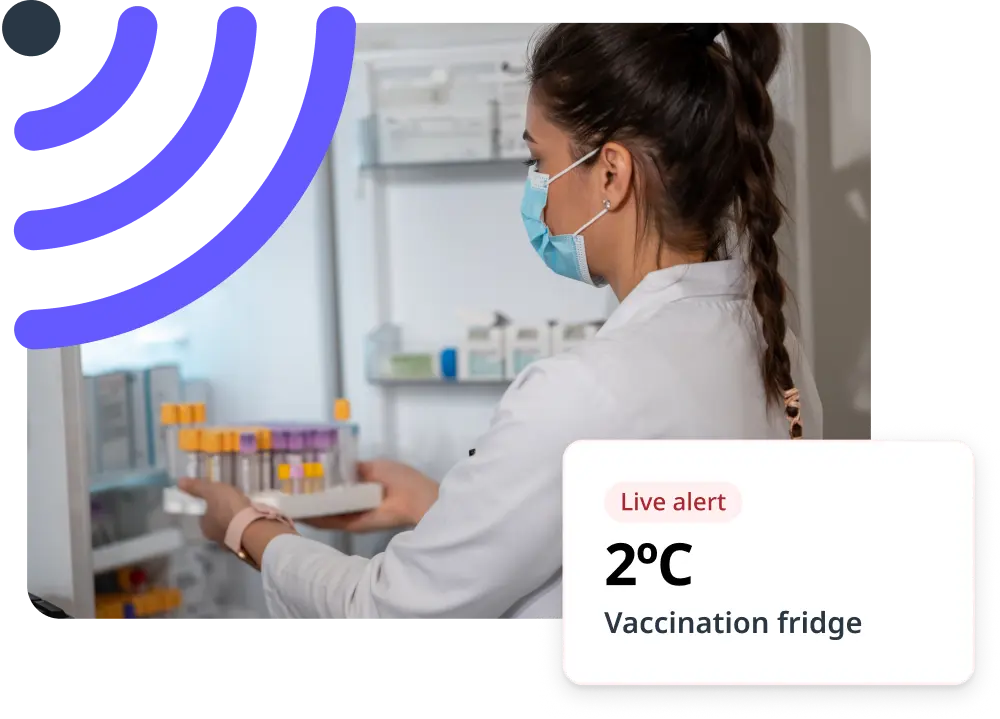
The backbone of proactive risk management lies in automated alerts. The system instantly notifies relevant personnel when:
- Temperature readings fall outside safe ranges
- Tasks remain incomplete beyond scheduled deadlines
- Equipment malfunctions or requires maintenance
- Cleaning protocols are missed or improperly executed
This immediate non-compliance detection prevents minor issues from escalating into major food safety incidents. A restaurant chain, for example, receives instant notifications when refrigeration units deviate from safe temperatures, allowing staff to transfer products before spoilage occurs.
The speed of digital systems eliminates the lag time inherent in paper-based processes. Traditional methods require physical inspection of documents, manual data entry, and delayed communication between shifts or locations. Digital platforms capture data at the source and distribute it instantly, reducing response times from hours or days to minutes.
How a Digital Food Safety Compliance System Ensures Consistent Standards becomes evident through this rapid response capability. Teams address deviations immediately rather than discovering problems during retrospective reviews, significantly reducing the risk of costly recalls or regulatory fines.
Why Are Digital Food Safety Compliance Systems Essential for Brand Reputation, Consumer Health, and Employee Training?
Digital food safety compliance systems protect brand reputation by creating an unbroken chain of documented safety practices that demonstrate organizational commitment to consumer protection. When contamination incidents or recalls occur, companies with robust digital compliance records can quickly identify the source, scope, and timeline of issues, minimizing damage to consumer trust and market position.
1. Standardized Employee Training Support
Employee training support becomes standardized through digital platforms that deliver uniform learning materials to all staff members regardless of location. Training modules update automatically when regulations change or new procedures are implemented, ensuring every team member receives identical information simultaneously. Digital systems track completion rates and quiz scores, providing managers with clear visibility into knowledge gaps that require additional attention.
2. Automated Task Management
Task management automation eliminates the confusion and delays inherent in paper-based assignment systems. Digital platforms distribute daily checklists, cleaning schedules, and inspection tasks directly to responsible employees’ devices with built-in deadline reminders. Completion tracking happens in real-time, allowing supervisors to identify missed tasks immediately rather than discovering gaps during end-of-shift reviews.
3. Systematic Corrective Actions
Corrective actions receive automatic follow-up notifications until resolution is documented and verified. This systematic approach prevents minor issues from escalating into major safety incidents that could harm consumers or trigger regulatory investigations. The documented training history and task completion records also serve as evidence of due diligence during audits or legal proceedings.
Conclusion
Digital food safety compliance systems are essential tools that protect consumer health and maintain brand integrity in the food industry. These platforms show how a digital food safety compliance system ensures consistent standards through automation, real-time monitoring, and efficient regulatory compliance.
The future of food safety management points toward increased adoption of intelligent compliance technology. Organizations implementing these systems gain competitive advantages through reduced operational risks, faster audit responses, and enhanced traceability capabilities. As regulatory requirements grow more complex and consumer expectations rise, digital compliance platforms will become essential infrastructure rather than optional upgrades. The technology shifts food safety from reactive crisis management to proactive risk prevention, setting new standards for operational excellence in global food operations.
Learn more: Why Food Safety Compliance Services Are Essential for Scalable Growth