
The “temperature danger zone” is commonly defined as 40°F to 140°F (4°C to 60°C). In that range, bacteria can multiply quickly, especially if food stays there for extended periods. The goal is simple: keep cold food cold, hot food hot, and get immediate alerts when anything slips.
What exactly is the temperature danger zone, and why does it matter?
The temperature danger zone is the range where pathogens grow faster, making food more likely to become unsafe. Staying in that zone too long increases risk even if the food still looks and smells fine.
Most teams focus on equipment setpoints, but a food service temperature monitoring system ensures safety by tracking actual product and air temperatures over time. Real-time monitoring matters because it records what truly happened, not what someone hoped happened.
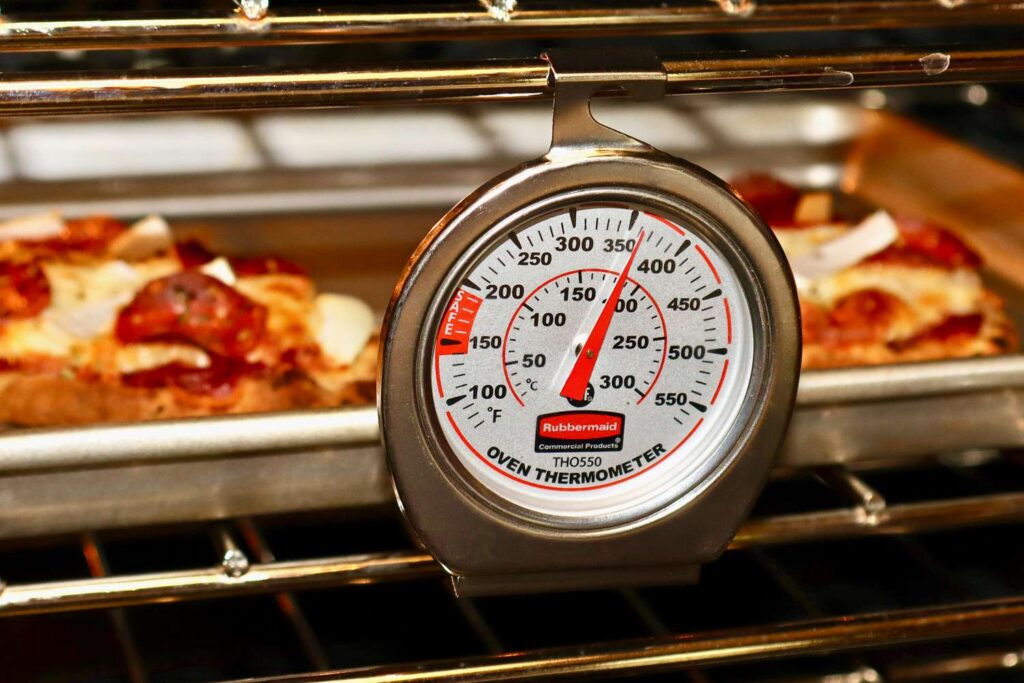
Which foods are most at risk in the danger zone?
The highest-risk items are time and temperature control for safety (TCS) foods, such as meat, poultry, seafood, dairy, cooked rice, cooked beans, cut melons, cut leafy greens, and many prepared foods. These products can support rapid bacterial growth when temperature control slips.
They are often handled more, cooled in batches, or stored in busy units that get opened repeatedly, which makes them more likely to drift into the danger zone.
Where do temperature failures usually happen?
Most failures happen during cooling, reheating, hot holding, cold holding, and transport. These are the moments when food moves between equipment, containers, and rooms, and the temperature changes fastest.
Equipment issues also matter, especially in overloaded prep coolers, underpowered reach-ins, ice buildup in freezers, and walk-ins with worn gaskets. Even a well-functioning unit can run warm if airflow is blocked or doors are opened constantly.
What does “real-time alerting” actually mean in practice?
Real-time alerting means the system notifies staff as soon as temperatures cross a defined threshold for a defined period. It is not just logging data for later review, and it is not a daily manual check.
Good alerting is actionable. It tells them what unit, what sensor, how far out of range, and for how long, so they can respond before food becomes unsafe or unsellable.
Which monitoring tools work best for real-time alerts?
The most reliable approach is typically continuous wireless temperature sensors paired with a dashboard and automated notifications. These sensors log temperatures at regular intervals and send alerts via text, email, app push, or all three.
In some operations, Bluetooth data loggers can support compliance, but they often require a person to sync data and may not alert fast enough. Infrared thermometers are useful for spot checks, but they do not provide continuous proof or immediate warnings.
Where should sensors be placed for accurate readings?
Sensor placement should reflect the coldest and warmest spots and the real risk areas, not the most convenient mounting point. In coolers, sensors should avoid direct airflow from evaporator fans, which can read colder than product zones.
For walk-ins, teams often place sensors near the door, mid-shelf level, and in the back, then keep the one that best reflects problem patterns. For hot holding, sensors should measure where food sits, not where the heater is hottest.
What alert thresholds and delays should they set?
Thresholds should match the operation’s food safety plan and local rules, but many teams start by alerting before food becomes unsafe. For example, a cooler might trigger a warning at 41°F or 42°F, not at 50°F after hours of drift.
Delays prevent false alarms from quick door opens. A common approach is a short confirmation window, such as alerting only if the unit stays out of range for 10–20 minutes. The best setup balances sensitivity with practicality so alerts are taken seriously.
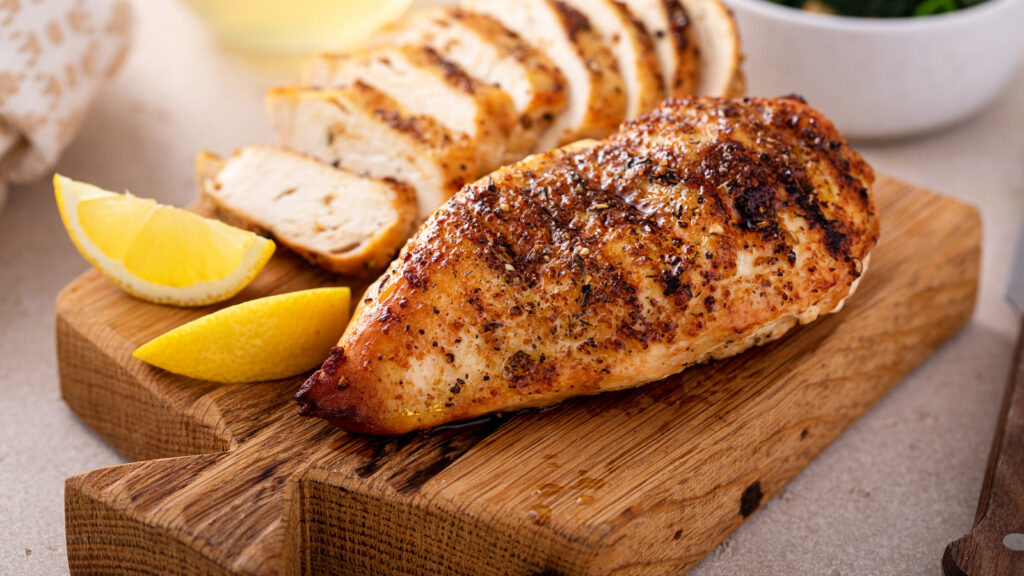
How should staff respond when an alert happens?
They should treat alerts like a simple decision tree: verify, correct, protect product, and document. First, they confirm the reading with a calibrated probe thermometer and check whether it is a sensor placement issue.
Next, they address causes such as a propped door, blocked vents, overloading, or a failing unit. If product may have been in the danger zone too long, they follow their discard or corrective-action policy, then record what happened and what they did.
How can they prevent alert fatigue and ignored notifications?
Alert fatigue happens when systems cry wolf. The fix is tighter configuration, better sensor placement, and clearer escalation rules.
Teams can set severity levels, like a warning message to the shift lead first and an escalation to management if it continues. They can also group alerts by unit, avoid duplicate notifications, and review weekly trends to eliminate chronic false alarms.
What records should they keep for audits and inspections?
They should keep time-stamped temperature logs, alert histories, corrective actions, calibration records, and maintenance notes. Inspectors usually want proof that temperatures stayed safe and that the team acted quickly when they did not.
Automated systems help because they create consistent records without gaps from missed manual checks. The best records are easy to export, easy to read, and tied to specific equipment and locations.
How do they validate the system and keep it accurate over time?
They should calibrate or validate sensors on a regular schedule using a known reference method, then log the results. They should also test alerts intentionally, such as briefly raising a threshold, to confirm notifications reach the right people.
Ongoing accuracy depends on maintenance too. Replacing door gaskets, cleaning condenser coils, keeping proper airflow, and avoiding overloading improves temperature stability, which makes alerts rarer and more meaningful.
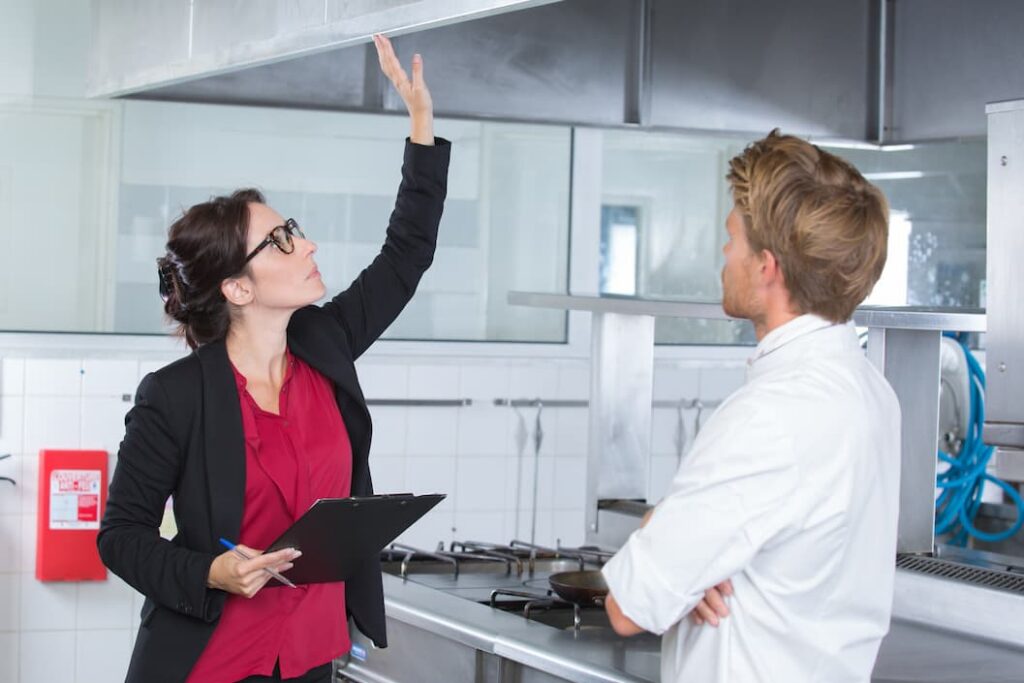
What is the simplest way to start monitoring the danger zone with real-time alerts?
They can start with one high-risk area, such as a walk-in cooler holding ready-to-eat foods, and deploy a continuous sensor with text alerts. After two weeks, they review the alert history and temperature trends, then expand to other units.
Starting small helps them tune thresholds, decide who gets notified, and build a response routine. Once the team trusts the alerts, real-time monitoring becomes less about compliance and more about preventing waste and protecting customers. See also to get more about “Danger Zone for Food: Common Errors That Lead to Health Violations”.
FAQs (Frequently Asked Questions)
What is the temperature danger zone and why is it critical for food safety?
The temperature danger zone ranges from 40°F to 140°F (4°C to 60°C), where bacteria can multiply rapidly, increasing the risk of foodborne illness. Keeping food out of this range by maintaining cold foods cold and hot foods hot is essential to prevent spoilage and ensure safety.
Which foods are most vulnerable when exposed to the temperature danger zone?
Time and Temperature Control for Safety (TCS) foods such as meat, poultry, seafood, dairy products, cooked rice and beans, cut melons, cut leafy greens, and many prepared foods are highly susceptible to bacterial growth if they remain too long in the danger zone.
When do temperature failures typically occur in food handling processes?
Temperature failures commonly happen during cooling, reheating, hot holding, cold holding, and transport phases. These are critical moments when food moves between equipment or locations and temperatures can fluctuate rapidly.
How does real-time alerting improve food safety monitoring?
Real-time alerting notifies staff immediately when temperatures cross predefined thresholds for a set duration. This actionable information includes details about the affected unit, sensor location, severity of deviation, and duration, enabling prompt corrective actions before food becomes unsafe or unsellable.
What types of monitoring tools provide effective real-time temperature alerts?
Continuous wireless temperature sensors paired with dashboards and automated notifications (via text, email, or app push) offer reliable real-time monitoring. While Bluetooth data loggers and infrared thermometers support compliance or spot checks, they lack continuous proof or immediate alert capabilities.
How should staff respond when receiving a temperature alert to ensure food safety?
Upon receiving an alert, staff should verify the reading with a calibrated probe thermometer, identify any sensor placement issues, correct causes like open doors or blocked vents, protect or discard affected product per policy, and document all actions taken to maintain compliance and safety.