
What Are Wireless Temperature Monitoring Systems and How Do They Work?
Wireless temperature monitoring systems are advanced networks of devices that work together to monitor temperature conditions without the need for physical cables or manual effort. These systems collect, send, and analyse temperature data in real-time, giving you immediate access to important environmental information from anywhere with an internet connection.
Key Components of Wireless Temperature Monitoring Systems
The main parts of these systems include:
- Sensors: Different types such as thermocouples for industrial use, RTDs (Resistance Temperature Detectors) for precise measurements, and infrared sensors for non-contact monitoring
- Data transmitters: Using Wi-Fi networks for local connections, Bluetooth for short-range applications, or cellular networks for remote areas
- Software platforms: User-friendly dashboards providing real-time alerts, analysis of past data, and customizable reports
The Role of Cloud Computing
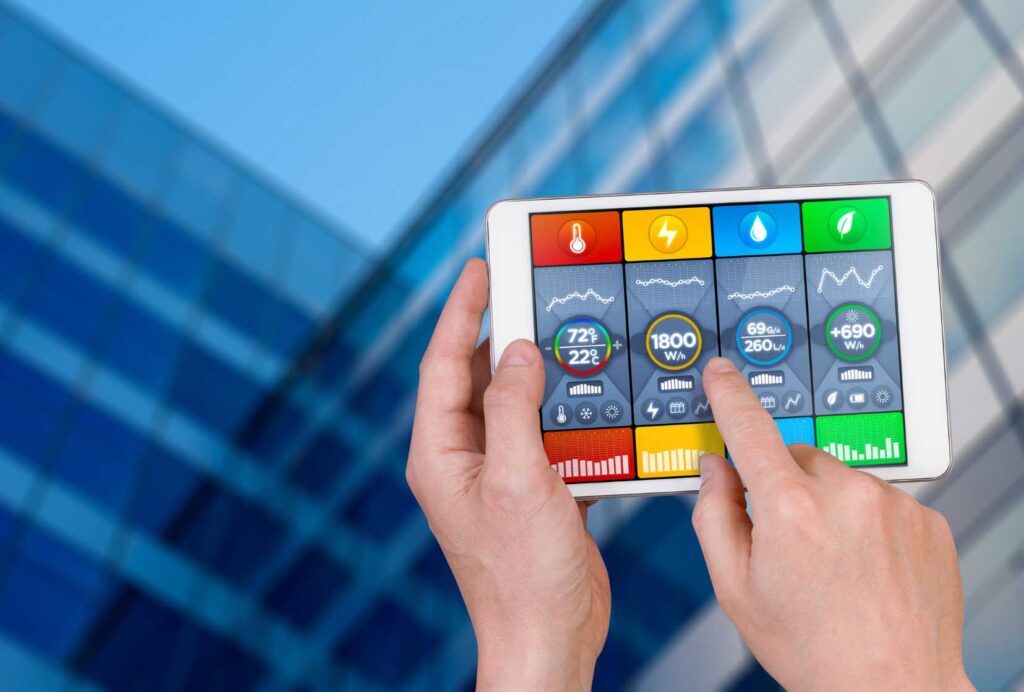
Cloud computing is essential for a modern remote temperature monitoring system. It allows for easy storage and processing of data. You can view your temperature data on mobile devices, tablets, or computers, ensuring you always have access to the areas you’re monitoring.
How Wireless Sensors and Cloud-Based Monitoring Work Together
The combination of wireless sensors and cloud-based monitoring creates a strong system where temperature data transmission happens automatically and continuously. This smooth connection enables you to react quickly to changes in temperature, safeguarding valuable assets and upholding compliance standards in various industries.
Why Have Temperature Monitoring Systems Evolved From Manual to Wireless Solutions?
The Limitations of Manual Temperature Monitoring
The history of manual temperature monitoring goes back several decades. It started with basic mechanical thermostats and gradually progressed to paper-based logging systems. In this setup, workers would follow predetermined routes, manually checking temperatures at specific intervals and recording the readings on clipboards or logbooks. This process required dedicated staff members to visit each monitoring point, often multiple times a day, resulting in high labour costs and operational inefficiencies.
However, manual processes came with their own set of challenges that highlighted the need for technological advancement:
- Inconsistent data collection: Human scheduling conflicts and varying checking intervals led to unreliable data collection.
- Labour-intensive operations: Routine monitoring tasks demanded dedicated personnel, making the process labour-intensive.
- Delayed problem detection: Gaps between manual checks could last for hours, delaying the identification of issues.
- Documentation errors: Illegible handwriting or transcription mistakes resulted in documentation errors.
- Limited accessibility: Historical data stored in physical logbooks was not easily accessible.
The Advantages of Automation
The shift towards automation brought significant benefits:
- Improved efficiency: With automated systems in place, you no longer need dedicated staff members for routine monitoring tasks. This leads to substantial cost savings and allows your team to focus on more critical activities.
- Faster problem detection: Automated temperature monitoring provides real-time alerts whenever temperatures go outside acceptable ranges. This means you can address issues immediately instead of waiting for the next scheduled check.
- Enhanced accuracy: By eliminating human involvement in data collection, automation reduces the risk of errors caused by illegible handwriting or transcription mistakes. You can trust that your records are accurate and reliable.
The Transformation of Temperature Monitoring
Modern wireless solutions like Squizify’s automated record-keeping systems are transforming temperature monitoring from a reactive process into a proactive management tool.
Here’s how these platforms work:
- Continuous data collection: Wireless systems eliminate the need for physical presence at monitoring locations. Instead, sensors collect temperature data continuously without any human intervention.
- Immediate alerts: Whenever temperatures deviate from acceptable ranges, you receive instant notifications on your devices. This allows you to take immediate action and prevent potential issues before they escalate.
- Data accessibility: With internet-connected devices, you can access temperature data anytime and anywhere. This ensures compliance documentation remains accurate and readily available for auditing purposes.
By embracing these modern wireless solutions, businesses can streamline their operations, reduce costs, and maintain regulatory compliance more effectively than ever before.
What Are the Key Benefits of Using Wireless Temperature Monitoring Systems?
Wireless temperature monitoring systems offer several advantages over traditional methods. Here are some key benefits:
1. Improved Accuracy
Automated double-checking mechanisms in wireless systems eliminate human error, ensuring precise measurements. These systems continuously validate readings across multiple sensors, cross-referencing data points to guarantee reliability. You can expect consistent and accurate temperature data without the variability associated with manual recording methods.
2. Streamlined Regulatory Compliance
Automated tracking and reporting tools make it easier to comply with regulations. Systems like Squizify generate comprehensive documentation that meets food safety regulations and industry standards. You can access detailed temperature logs, compliance reports, and audit trails through internet-connected devices, ensuring your operations satisfy regulatory requirements without manual paperwork.
3. Energy Savings
Optimised climate controls based on monitored data lead to energy savings. Smart systems analyse temperature patterns and adjust heating, ventilation, and cooling equipment accordingly. By maintaining optimal conditions only when necessary, rather than running systems continuously at maximum capacity, you reduce energy consumption.
4. Spoilage Prevention
Immediate alerts for critical temperature fluctuations help protect your valuable inventory from spoilage. When temperatures deviate from safe ranges, you receive instant notifications via mobile devices or email. This rapid response capability prevents product loss in healthcare facilities storing vaccines, restaurants maintaining cold chains, or logistics companies transporting temperature-sensitive goods. The system’s ability to detect problems before they escalate saves you from costly inventory replacement and potential safety incidents.
Which Industries Benefit Most From Wireless Temperature Monitoring?
Healthcare
Healthcare temperature monitoring stands at the forefront of critical applications, where vaccine storage and pharmaceutical integrity can mean the difference between life and death. Medical facilities rely on precise temperature control to maintain the efficacy of temperature-sensitive medications, blood products, and vaccines. A single degree deviation can render expensive treatments useless or potentially dangerous.
Food Safety
Food safety management represents another vital sector where wireless monitoring systems prevent costly spoilage and protect public health. Restaurants, supermarkets, and food processing facilities use these systems to maintain cold chain integrity from storage to service. Squizify solutions exemplify this application, offering tailor-made checklists and automated record keeping that streamline compliance whilst ensuring food safety standards are consistently met across hospitality and supermarket operations.
Logistics
Logistics temperature control ensures product integrity during transport, particularly crucial for pharmaceutical shipments and perishable goods. Freight companies deploy wireless sensors to monitor cargo conditions throughout the supply chain, providing real-time visibility and immediate alerts when temperature excursions occur.
Additional sectors experiencing significant benefits include:
- Aged care facilities monitoring medication storage and patient comfort
- Child care centres ensuring safe food preparation and storage
- Manufacturing protecting temperature-sensitive materials and processes
- Data centres maintaining optimal server operating conditions
Each industry leverages wireless temperature monitoring to reduce operational risks, ensure regulatory compliance, and protect valuable assets through continuous, automated oversight.
How Do Wireless Temperature Monitoring Systems Integrate Hardware and Software Components?
Modern wireless temperature monitoring systems create seamless integration between sensor technology, wireless communication protocols, and SaaS platforms to deliver comprehensive monitoring solutions. This integration transforms raw temperature data into actionable insights through sophisticated hardware-software partnerships.
Sensor Technology Foundation
Different sensor types serve specific monitoring requirements:
- Thermocouples provide wide temperature ranges and rapid response times for industrial applications
- RTDs (Resistance Temperature Detectors) deliver high accuracy for pharmaceutical and laboratory environments
- Infrared sensors enable non-contact monitoring for food surfaces and equipment
- Digital temperature probes offer precision monitoring for refrigeration units and storage areas
Wireless Communication Protocols
Data transmission relies on multiple wireless communication protocols depending on range and application needs:
- Wi-Fi networks support high-bandwidth data transfer within facility boundaries
- Bluetooth connectivity enables short-range monitoring for portable equipment
- LoRaWAN technology extends monitoring capabilities across large facilities and outdoor environments
- Cellular networks provide remote access for logistics and transport applications
Software Integration Features
SaaS platforms like Squizify transform collected data into operational tools through:
- Customizable checklists that automate compliance documentation
- Real-time dashboards displaying temperature trends and system status
- Automated alerting mechanisms sending instant notifications for temperature deviations
- Cloud-based record keeping ensuring 24/7 data accessibility across internet-connected devices
This integrated approach eliminates manual data collection while providing comprehensive monitoring capabilities that adapt to specific industry requirements.
What Role Does Technology Innovation Play in the Future of Temperature Monitoring?
1. IoT Integration
IoT integration transforms temperature monitoring from standalone systems into interconnected networks that communicate seamlessly across facilities. Smart sensors now connect with HVAC systems, refrigeration units, and building management platforms to create automated responses. When temperature readings exceed preset thresholds, IoT-enabled systems can automatically adjust cooling systems, redirect airflow, or trigger backup equipment activation without human intervention.
2. AI-Driven Analysis
AI-driven analysis revolutionises how businesses interpret temperature data patterns. Machine learning algorithms analyse historical temperature trends, environmental factors, and equipment performance to predict potential failures before they occur. You can now receive maintenance alerts weeks in advance, allowing proactive equipment servicing that prevents costly breakdowns and product losses. AI systems also optimise energy consumption by learning usage patterns and automatically adjusting temperature controls during peak and off-peak periods.
3. MEMS Sensors Miniaturisation
MEMS sensors miniaturisation enables deployment in previously inaccessible locations whilst maintaining exceptional accuracy. These microscopic sensors integrate into packaging, embed within walls, or attach to individual products without adding bulk or weight. Advanced MEMS technology delivers laboratory-grade precision in sensors smaller than a coin, expanding monitoring capabilities to granular levels.
The convergence of these technologies creates predictive ecosystems where temperature monitoring systems anticipate problems, self-adjust parameters, and provide actionable insights. Platforms like Squizify leverage these innovations to deliver comprehensive monitoring solutions that combine real-time data collection with intelligent analytics, supporting businesses in maintaining optimal conditions across diverse operational environments.
How Do Wireless Freezer Alarms Contribute to Safe Storage Practices?
Freezer alarm systems equipped with Wi-Fi connected sensors serve as critical guardians for temperature-sensitive assets across multiple industries. These systems provide immediate notifications when freezer conditions deviate from safe parameters, protecting valuable inventory from costly spoilage.
Healthcare Applications
In healthcare facilities, vaccine storage represents one of the most critical applications for wireless freezer monitoring. A single temperature excursion can render thousands of pounds worth of vaccines unusable. Wi-Fi connected sensors continuously monitor storage conditions and instantly alert staff when:
- Temperature rises above or falls below safe ranges
- Freezer doors remain open beyond acceptable timeframes
- Power outages threaten storage integrity
Food Industry Protection
Restaurants, supermarkets, and food processing facilities rely on these systems for comprehensive asset protection. When freezer temperatures fluctuate, the financial impact extends beyond immediate product loss to include:
- Regulatory compliance violations
- Customer safety risks
- Insurance claim complications
- Operational disruptions
Immediate alert capabilities enable rapid response to prevent catastrophic losses. Staff receive real-time notifications via mobile devices, allowing them to address issues before products reach unsafe temperatures. This proactive approach transforms reactive maintenance into preventive asset management, ensuring consistent storage conditions that protect both product quality and business profitability.
Why Is There a Growing Market Demand for Wireless Temperature Monitoring Solutions?
The global market growth temperature monitoring systems 2023–2032 reflects unprecedented expansion in this sector. Industry analysts value the current market at approximately £1.14 billion in 2023, with projections indicating the market will nearly double by 2032. This remarkable growth trajectory demonstrates how businesses across multiple sectors recognise the critical importance of automated temperature monitoring.
Remote monitoring demand continues to surge as organisations seek solutions that eliminate manual processes whilst enhancing operational reliability. You’ll find this demand particularly pronounced in industries where temperature deviations can result in significant financial losses or regulatory violations.
Several key factors are driving this market growth:
- Regulatory compliance requirements becoming increasingly strict across healthcare, food service, and pharmaceutical sectors
- Operational efficiency mandates pushing businesses to reduce labour costs associated with manual temperature logging
- Risk mitigation strategies focusing on preventing product spoilage and maintaining quality standards
- Technology accessibility making wireless monitoring systems more affordable and user-friendly
The healthcare sector leads adoption rates, driven by vaccine storage requirements and pharmaceutical regulations. Food service operations follow closely, with supermarkets and restaurants implementing comprehensive cold chain monitoring to protect inventory investments.
Manufacturing facilities and data centres contribute significantly to market growth as these environments require precise temperature control for equipment protection and optimal performance. This widespread adoption across diverse industries creates a strong foundation for sustained market expansion.
Interestingly, this trend isn’t limited to temperature monitoring alone. The overall global process instrumentation market is also experiencing significant growth, which includes advancements in areas such as machine condition monitoring. As industries continue to embrace automation and remote monitoring, sectors like manufacturing are likely to see a rise in the machine condition monitoring market as well, further driving the demand for wireless solutions.

How Do Wireless Temperature Monitoring Systems Support Compliance and Operational Excellence?
Wireless temperature monitoring systems are essential for food safety compliance software solutions, revolutionising how businesses meet regulatory requirements. These systems automatically create detailed documentation trails that satisfy health department inspections and industry standards. You no longer have to worry about missing temperature logs or unreadable handwritten records that could lead to compliance failures.
1. Automated Auditing Capabilities
Automated auditing capabilities eliminate human error while ensuring consistent data collection across all monitoring points. When health inspectors arrive, you can instantly access months of temperature records through cloud-based platforms, demonstrating your commitment to food safety protocols. This digital approach significantly reduces the risk of regulatory violations and associated penalties.
2. Integration with Broader Compliance Frameworks
Squizify’s tailor-made checklists exemplify how modern solutions integrate temperature monitoring with broader compliance frameworks. The platform automatically captures temperature data and incorporates it into customised operational checklists, creating seamless workflows that support both compliance and daily operations.
3. Streamlined Record Keeping
Streamlined record keeping accessible through internet-connected devices enables managers to monitor multiple locations simultaneously. You can review temperature trends, identify potential issues, and generate compliance reports from any smartphone or tablet. This accessibility transforms operational excellence from a reactive process to a proactive management strategy.
4. Unified Approach to Operational Management
The integration of temperature monitoring with comprehensive compliance platforms creates a unified approach to operational management, where temperature control becomes part of a larger ecosystem designed to optimise business performance while maintaining regulatory adherence.
Conclusion
Wireless temperature monitoring systems represent a fundamental shift in how businesses approach temperature-sensitive operations. These sophisticated solutions combine cutting-edge sensor technology with cloud-based platforms to deliver real-time monitoring capabilities that manual methods simply cannot match.
The technology addresses critical challenges across multiple industries:
- Healthcare facilities protecting vaccine integrity
- Food service operations maintaining cold chain compliance
- Manufacturing environments ensuring product quality
- Data centres preventing equipment overheating
You gain immediate access to temperature data through mobile devices and web dashboards, enabling swift responses to potential issues. The automated documentation features eliminate human error whilst supporting regulatory compliance requirements.
Market projections indicate continued growth, with the wireless temperature monitoring sector expected to nearly double by 2032. This expansion reflects increasing recognition of the technology’s value in preventing product loss, reducing operational costs, and maintaining safety standards.
Solutions like Squizify demonstrate how integrated hardware and software platforms can transform temperature monitoring from a reactive process into a proactive management tool, delivering measurable improvements in operational efficiency and compliance outcomes.
Learn more:Food Safety Temperature Monitoring: Protecting Quality from Kitchen to Customer
Frequently Asked Questions (FAQs)
A wireless temperature monitoring system uses sensors, transmitters, and cloud-based platforms to track and record temperature data in real time without manual checks or cables.
They use sensors (RTDs, thermocouples, infrared, etc.) to measure temperature, transmit data via Wi-Fi, Bluetooth, LoRaWAN, or cellular networks, and display it on dashboards or apps for instant access.
Benefits include real-time alerts, improved accuracy, reduced labour costs, compliance-ready documentation, spoilage prevention, and energy efficiency.
Healthcare, food service, logistics, manufacturing, aged care, child care centres, and data centres all rely on wireless monitoring to protect assets and ensure compliance.
The systems automatically record data, generate audit-ready reports, and provide timestamped logs, ensuring businesses meet HACCP, food safety, and healthcare regulations.
Wireless monitoring systems trigger immediate alerts via mobile notifications, emails, or dashboards, allowing staff to respond quickly before spoilage or safety risks occur.
Yes. They reduce manual labour, lower energy consumption through smart climate controls, and prevent costly product losses from spoilage or equipment failure.
Most platforms use encrypted data transmission, secure cloud storage, automated backups, and disaster recovery to protect sensitive compliance and operational data.
Yes, they can adapt from a single café or pharmacy to large-scale manufacturing plants and logistics fleets, making them suitable for both small and large businesses.
Stricter regulations, the need for real-time visibility, cost-saving automation, and technological advances in IoT, AI, and MEMS sensors are fueling rapid adoption across industries.